Uneven feeding is a common operational challenge in jaw crushing plants. When material enters the crusher inconsistently, production becomes less predictable, crushing efficiency can decline, and jaw plate wear may become uneven. Operators may notice fluctuating motor loads, intermittent blockages, or changes in product size even when the crusher itself appears to be functioning normally.
Preventing these problems requires more than adjusting feeder speed. The condition of the upstream material supply, hopper design, conveyor alignment, feed gradation, and crusher operating parameters all influence feeding stability. A well-designed feeding system should deliver material at a consistent rate and distribute it appropriately across the crushing chamber.
This guide explains how to identify the causes of uneven feeding, improve material flow, optimize feeder operation, and establish a practical prevention plan that supports reliable jaw crusher performance.
1. What Is Uneven Feeding in a Jaw Crusher?
Uneven feeding occurs when material enters the crushing chamber inconsistently in volume, timing, or distribution. It generally takes two forms: an unstable feed rate over time and uneven distribution of material across the crusher opening’s width.
For example, a crusher may receive enough material overall but remain underloaded on one side because a conveyor discharges material off-center. Alternatively, the feeder may deliver material in sudden surges, followed by periods when the crushing chamber receives little or no feed.
Both conditions can reduce operational stability. Common warning signs include:
- Fluctuating motor current or power consumption.
- Repeated feed interruptions or material buildup.
- Unusual vibration associated with changing loads.
- Uneven jaw plate wear.
- Inconsistent throughput or product gradation.
- Increased spillage and operator intervention.
These symptoms do not automatically prove that feeding is the root cause. Bearing problems, incorrect crusher settings, and worn components can produce similar effects. Proper diagnosis should therefore precede corrective action.
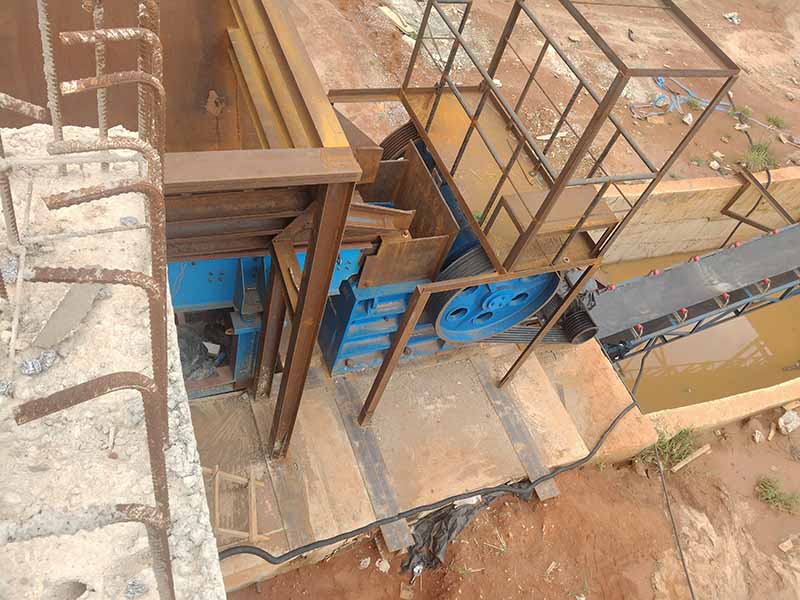
Identify the Main Causes of Uneven Feeding
Incorrect feeder settings or insufficient capacity
- A vibrating feeder that cannot supply the crusher’s required tonnage may cause repeated starvation. Conversely, excessive or poorly controlled feeding can overwhelm the crushing chamber or create unstable material flow.
- Match feeder capacity to actual operating conditions, including feed size, bulk density, moisture, and required production rate. Nominal capacity alone does not guarantee consistent delivery.
- Variable-speed feeders can help operators adjust the feed rate to changing conditions. However, increasing speed without identifying the underlying problem may worsen surging, spillage, or crusher overloading.
Poor hopper and chute design
- Hoppers and transfer chutes influence how material moves toward the crusher. Poorly positioned outlets, unsuitable chute geometry, obstructions, and accumulated material can create dead zones or uneven discharge.
- Conveyor misalignment can also cause material to enter the feeder or crusher predominantly on one side. If the same pattern occurs, inspect the complete transfer arrangement rather than focusing exclusively on feeder settings.
Oversized, sticky, or poorly graded material
- Material characteristics are another important source of feeding problems. Oversized rocks can bridge across the crusher opening, while elongated particles may interlock and obstruct flow. Wet, clay-rich material can accumulate on feeder surfaces and inside chutes.
- Excessive fines may also contribute to buildup, depending on moisture and material properties. Assess the effect in context rather than assuming all fine material must be removed.
Mechanical wear and component problems
Worn feeder components, damaged bearings, loose mounting bolts, or drive problems can cause irregular operation. If feeding instability appears alongside abnormal noise, vibration, or temperature increases, inspect the relevant mechanical systems according to the manufacturer’s procedures.
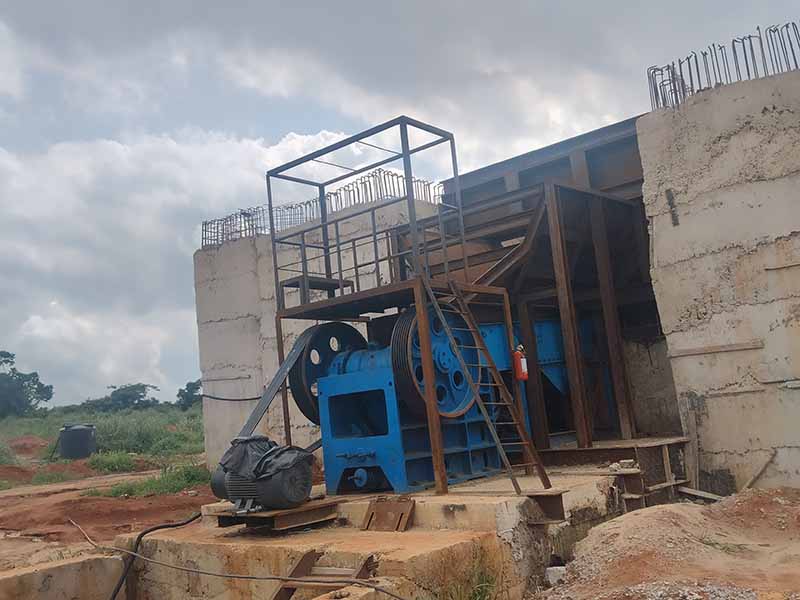
3. How to Diagnose Uneven Feeding Before Making Adjustments
A systematic investigation helps prevent unnecessary equipment changes and identifies the actual source of the problem.
Step 1: Observe the material flow
Determine whether material arrives intermittently, accumulates at a transfer point, or consistently favors one side of the crusher opening. Record when the problem occurs and whether it coincides with changes in the upstream supply.
Step 2: Trace the complete material path
Inspect the route from the stockpile or loading equipment through the hopper, feeder, belt conveyor, and feed chute. Look for buildup, uneven discharge, material segregation, and restricted flow.
Step 3: Review operating data
Where suitable instrumentation is available, compare feeder speed, hopper level, crusher motor current, and throughput. Look for repeated patterns that coincide with feed interruptions. Motor current alone is not enough to identify the cause, so combine readings with direct observations.
Step 4: Check material characteristics and equipment condition
Compare the current feed with normal operating conditions. Investigate changes in particle-size distribution, moisture, clay content, or the proportion of oversized material. Inspect feeder drives and supports if mechanical faults are suspected.
Before inspecting or clearing hazardous equipment, follow the site’s shutdown and lockout/tagout procedures. Never enter a hopper or crushing chamber to investigate a blockage while the equipment remains energized.
4. Improve Feeder Control and Maintain a Stable Feed Rate
Once identify the cause, adjust the feeding system to provide a consistent material supply.
First, match the feeder’s operating range to the crusher’s actual capacity. A feeder should supply sufficient material without repeatedly starving or overwhelming the crusher. The performance must coordinate with the discharge conveyor, because downstream restrictions can interrupt the entire process.
Practical measures include:
- Adjust feeder speed while monitoring throughput and motor load.
- Maintain a suitable material reserve in the hopper where the plant design permits.
- Use level sensors and alarms to identify low or high material levels.
- Coordinate feeder operation with crusher and conveyor startup and shutdown sequences.
- Investigate sudden changes in feeder output.
A surge hopper can buffer short-term fluctuations in upstream supply. However, it must be designed for the material being handled; poor geometry can create bridging or uneven discharge rather than improve stability.
5. Distribute Material Evenly Across the Crusher Opening
Consistent feed rate is only part of the solution. Material must also enter the crushing chamber in an appropriate distribution pattern.
Start by checking the alignment between the feeder, conveyor discharge, chute, and crusher inlet. Correcting an off-center discharge may resolve persistent one-sided loading without requiring a major equipment upgrade.
Where necessary, consider a feed distributor, splitter, or redesigned chute to improve material distribution. These modifications should be based on the actual material trajectory and the crusher manufacturer’s recommendations.
Feed preparation is equally important. Consider the following measures:
- Remove oversized material that exceeds the crusher’s permitted feed size.
- Use grizzly feeders or scalping screens when pre-screening is appropriate.
- Reduce excessive material segregation during stockpile handling and conveyor transfers.
- Monitor wet or sticky feed for buildup on feeder pans and chute walls.
- Reassess the feeding arrangement when the source material or its characteristics change.
The maximum acceptable feed size must follow the specific crusher’s specifications. A general rule of thumb should never replace the manufacturer’s limits.
6. Monitor Feeding Performance and Prevent Recurring Problems
Preventive monitoring allows operators to identify developing problems before they cause substantial production losses.
Establish a baseline for normal operation, including typical throughput, feed interruptions, motor-load trends, and observed material distribution. Compare current performance against that baseline rather than relying entirely on operator impressions.
A practical monitoring program should include:
- Daily: Observe feed distribution, check for buildup and spillage, and record abnormal interruptions.
- Weekly or according to the maintenance schedule: Inspect feeder drives, supports, fasteners, and accessible chute surfaces.
- Periodically: Review throughput trends, jaw plate wear patterns, product-size consistency, and recurring blockage events.
- After material changes: Reassess feeder settings and inspect the feed path for problems caused by different particle sizes or moisture conditions.
Persistent uneven jaw plate wear can indicate off-center loading, but it may also result from alignment or other mechanical issues. Use wear patterns as a diagnostic clue, not as definitive proof.
Record each identified cause, corrective action, and subsequent result. This creates a practical history that helps maintenance teams distinguish recurring design problems from temporary operating issues.
7. Common Mistakes to Avoid
Several simple responses can make uneven feeding worse.
- Increasing feeder speed without diagnosis: Higher speed may aggravate surging or overloading when the real problem is a restricted chute or unstable upstream supply.
- Focusing only on the crusher: The root cause may be located at a stockpile, conveyor transfer, hopper, or feeder inlet.
- Ignoring material changes: A feeding arrangement that works well with dry, well-graded rock may perform poorly with wet, clay-rich, or slabby material.
- Changing several settings: Multiple adjustments make it difficult to identify which action improved performance. Change one relevant variable at a time and record the result.
- Neglecting safety: Never attempt to clear a blockage or inspect moving components without following approved isolation and maintenance procedures.
Conclusion
Preventing uneven feeding in a jaw crusher requires coordinated control of material supply, feed distribution, equipment condition, and operating practices. Correct feeder settings cannot compensate for poor chute design, unsuitable material, or persistent blockages.
The most effective approach is to trace the entire material flow, identify the root cause, apply targeted corrective measures, and verify the results using operating data. With consistent monitoring and a well-maintained feeding system, crushing plants can reduce interruptions, improve throughput stability, and make better use of their jaw crusher capacity.
Eastman is a professional mining equipment manufacturer with 38 years of rich experience in the mining construction industry. We can also provide lab equipment. Welcome to consult our professional team to get factory prices. According to your situation and product requirements, we will design a complete sand-crushing production line flow chart and provide an accurate quotation.


