Mobile crushing plants have traditionally relied on diesel engines because they can operate independently of the electrical grid and move easily between different working sites. However, electrification is changing how modern crushing equipment is powered, controlled, maintained, and integrated into quarrying, construction, mining, and recycling operations. The rise of the electric mobile crushing plant is not simply about replacing a diesel engine with an electric motor. It involves rethinking the entire crushing circuit, energy supply, infrastructure, and operating strategy.
For operators, the important question is not whether electric power is universally better than diesel. Instead, the decision depends on production requirements, operating hours, site infrastructure, mobility, electricity availability, and total cost of ownership. Understanding these factors is essential before investing in an electrified mobile crushing solution.
What Does Electrification Mean for a Mobile Crushing Plant?
Electrification refers to replacing some or all diesel-driven systems with electric motors and electrical power systems. In a mobile crushing plant, electricity drives the vibrating feeder, crusher(jaw crusher, cone crusher, impact crusher,etc.) vibrating screen, conveyors, and auxiliary equipment. Depending on the design, the electricity may come from the grid, an external power source, batteries, or a combination of systems.
A fully electric crushing circuit can therefore include several electrically driven machines. This distinction matters because the complete circuit’s energy consumption can differ significantly from the crusher’s power requirement alone.
Modern electrified plants can also integrate sensors, automated controls, and energy-monitoring systems. This allows operators to coordinate different machines instead of running every component independently.

Diesel vs. Electric Mobile Crushing Plants
Diesel power remains attractive for mobile crushing because it provides a high degree of independence. A diesel-powered plant can be transported to a remote quarry or construction site without requiring a permanent electrical connection. Fuel can also be stored and supplied wherever the machine operates.
However, diesel systems need ongoing fuel and engine maintenance. An electric system removes many of these engine-related tasks and can reduce local exhaust emissions and operating noise.
The major differences can be summarized as:
- Diesel: High site flexibility and simple energy logistics, but ongoing fuel consumption and engine maintenance.
- Electric: Requires electrical infrastructure but can reduce fuel consumption, local emissions, and engine-related maintenance.
- Hybrid: Combines electric drive with an onboard power source, providing greater flexibility where full electrification is difficult.
The choice should therefore be based on the complete operating environment rather than the drive system alone.
Where Hybrid Systems Fit?
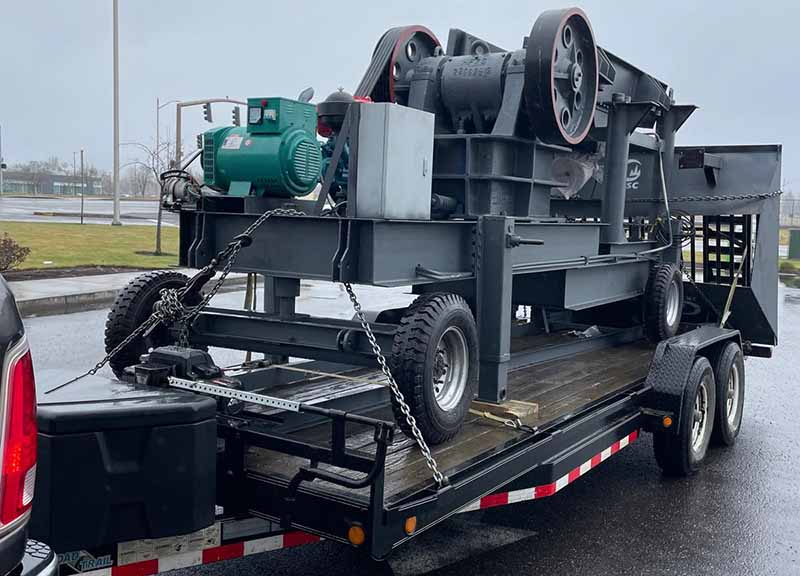
Hybrid mobile crushers can provide a practical transition between conventional diesel equipment and fully electric systems. For example, a plant may use external electricity when grid power is available but retain an onboard power source for relocation or backup operation.
This approach can be particularly useful when:
- The plant frequently moves between working areas.
- Grid access is available only at certain locations.
- Production requirements change significantly between projects.
- Operators want to reduce diesel use without completely depending on fixed electrical infrastructure.
How Electrification Changes Energy Consumption?
One of the biggest changes is the way operators evaluate energy consumption. Diesel consumption is normally expressed in litres per hour, while electrical systems are commonly described using kilowatts (kW) and kilowatt-hours (kWh).
Power rating alone, however, does not tell the whole story. A stone crusher with a high-rated motor may not operate continuously at maximum load. Actual energy consumption depends on the material and the way the complete circuit is operated.
Important factors include:
- Feed size and feed rate
- Rock hardness and abrasiveness
- Crusher type and reduction ratio
- Moisture and fines content
- Screening efficiency
- Recirculating load
- Conveyor length and configuration
- Operating hours
- Average versus peak loading
For this reason, a useful comparison should consider energy consumed per tonne of finished product, rather than simply comparing motor ratings.
Improving Efficiency at Circuit Level
Electrification also creates opportunities to manage energy across the entire crushing circuit. A feeder can be adjusted to match crusher capacity, while screens and conveyors can be coordinated with production requirements. Reducing unnecessary idle operation can further improve energy efficiency.
A well-designed electric circuit should therefore focus on both efficient equipment and efficient operation. Simply installing larger electric motors does not automatically create a more energy-efficient plant.
The Power Infrastructure Challenge
The biggest practical difference between diesel and electric mobile crushing can be the energy supply itself. A diesel plant carries its fuel. An electric plant may require transformers, cables, switchgear, charging systems, or other infrastructure.
Before installing an electric mobile crushing plant, operators should calculate the total site demand, including:
- Primary and secondary crushers
- Vibrating Screens
- Vibrating Feeders
- Belt conveyors
- Pumps and dust-control systems
- Existing electrical equipment
- Auxiliary systems
Distinguish installed motor capacity from actual operating demand and peak demand. A site may have enough electricity for average production but still experience problems when several machines start or operate at high load simultaneously.
Transformer and Cable Requirements
- Check existing transformer capacity before purchasing equipment. If the transformer cannot supply the required load, upgrading the electrical infrastructure may become a significant part of the project cost.
- Cable design is equally important for mobile equipment. Long cable runs can increase voltage drop and installation challenges.
Because mobile crushers can change position, the electrical system must also account for cable routing, connection points, mechanical protection, and relocation requirements.
Charging, Batteries, and Renewable Power
Battery-electric mobile crushing introduces another set of considerations. Battery capacity must match the machine’s operating cycle, production requirement, and available charging time. Large batteries can provide greater autonomy but also add weight, cost, and thermal-management requirements.
- Fast charging and battery-swapping systems can reduce downtime where battery operation is appropriate, but they also require additional infrastructure and careful production scheduling.
- Renewable electricity provides another potential pathway. A quarry with suitable photovoltaic capacity may use solar-generated electricity to supply part of its crushing operation. However, because renewable generation varies throughout the day, operators may need grid power or energy storage to maintain consistent production.
How Electrification Changes Crusher Maintenance
Electrification can reduce many engine-related maintenance tasks, including engine oil changes, fuel-system servicing, and exhaust-system maintenance. Electric motors generally have fewer moving components than internal-combustion engines, which can simplify certain maintenance requirements.
However, electric equipment is not maintenance-free. Operators still need to inspect:
- Electric motors and connections
- Cables and switchgear
- Inverters and control systems
- Cooling systems
- Sensors
- Batteries where fitted
- Crusher lubrication systems
Most importantly, electrification does not eliminate mechanical wear. Jaw plates, cone crusher liners, impact blow bars, screen media, conveyor belts, and other wear components still require regular inspection and replacement.
The practical benefit is that maintenance shifts partly from engine and fuel systems toward electrical and electronic systems.
How Electrification Changes Mobile Crushing Plant Design?
Electrification can encourage more integrated plant design. Instead of treating the crusher, screen, feeder, and belt conveyors as independent machines, the complete circuit is one coordinated system.
Advanced control systems can monitor:
- Motor load
- Material flow
- Production rate
- Temperature
- Energy consumption
- Equipment status
This information can help operators prevent overloads, adjust feed rates, reduce idle running, and identify developing problems before they cause extended downtime.
The result is a shift from simply powering a crusher toward managing an intelligent crushing circuit.
A Practical Way to Evaluate Electrification
The most reliable approach is to evaluate the entire operation rather than comparing machine purchase prices.
Start by defining the production requirement and mapping every component in the crushing circuit. Next, calculate average and peak electrical demand and audit the site’s transformer, grid connection, cables, and distribution system. Then compare diesel, hybrid, grid-electric, and battery-electric options based on the actual operating conditions.
Finally, calculate the total cost of ownership, including:
- Equipment investment
- Electrical infrastructure
- Energy consumption
- Maintenance
- Wear parts
- Charging or backup systems
- Potential downtime
- Expected service life
This provides a much more meaningful picture than comparing diesel litres per hour with electric kilowatts alone.
Conclusion
Electrification is likely to develop from individual electric machines toward increasingly integrated crushing circuits. Electric crushers, screens, feeders, and conveyors can be connected with automated control and real-time energy monitoring, creating opportunities to optimize both production and power consumption.
Battery technology, renewable energy, automation, and hybrid systems will also expand the range of possible applications. At the same time, diesel and hybrid power will remain relevant where mobility, remote operation, or long-duration energy requirements make direct electrification difficult.
Ultimately, the future of mobile crushing is unlikely to be defined by one universal power system. Instead, operators will select the combination of electric, hybrid, battery, grid, and backup power that best matches their production needs and site conditions.
Eastman is a professional mining equipment manufacturer with 38 years of rich experience in the mining construction industry. We can also provide lab equipment. Welcome to consult our professional team to get factory prices. According to your situation and product requirements, we will design a complete sand-crushing production line flow chart and provide an accurate quotation.


